Hard water in Malta: how to care for your hair and skin
Updated September 28, 2026
Many people who move to Malta notice it within the first weeks: the shampoo lathers less, hair feels stiffer, the shower glass turns white and the kettle collects a crust. The reason is the tap water, which in much of the islands carries a fair amount of dissolved calcium and magnesium.
This guide looks at the facts first: where Malta’s drinking water comes from, how hard it is according to the Water Services Corporation’s own measurements, and what hardness means. Then it turns to the bathroom, with practical care tips for hair, body and face and matching products from our shelves.
Everything here is about cosmetic care and everyday comfort. For questions about your drinking water, the Water Services Corporation is the right contact; for skin or scalp conditions, please see a pharmacist or doctor.
How hard is the tap water in Malta?
Malta has very little fresh water of its own, so most of what comes out of the tap is desalinated sea water. According to the Water Services Corporation (WSC), about 64% of the drinking water produced in 2022 came from its four reverse osmosis plants at Pembroke, Ċirkewwa, Għar Lapsi and Ħondoq on Gozo; the rest was groundwater. The two are blended before they reach your home, so the result depends on where you live.
- Soft: 0 to 60 mg/l.
- Moderately hard: 61 to 120 mg/l.
- Hard: 121 to 180 mg/l.
- Very hard: more than 180 mg/l.
Hardness is usually given as milligrams of calcium carbonate per litre. The US Geological Survey uses a common scale:
The WSC publishes its audit measurements for each water quality zone. In the 2024 samples, total hardness ranged from under 30 mg/l in zones such as St Julian’s and Gżira to over 350 mg/l in zones such as Attard and Santa Venera. In the 2025 samples most zones measured between about 130 and 180 mg/l. So for many households the water counts as hard, and in some areas it can be very hard, but it varies from zone to zone and from year to year. The WSC website shows current values for your area.
What hard water does in the shower
The WSC states that its tap water meets the EU Drinking Water Directive and that limescale is a natural occurrence, not a health hazard. In the bathroom, though, the minerals are noticeable. Calcium reacts with soap and forms a residue that the US Geological Survey calls soap scum: it is why you need more shampoo for the same foam, and why skin can feel as if a thin film is left after washing.
On hair, the same minerals can settle on the surface. Many people describe their hair in hard-water areas as duller, rougher or harder to comb, and colour-treated or blonde hair can look less fresh. A small laboratory study with hair from volunteers found no difference in the strength and elasticity of hair washed in hard or distilled water, so the effect is mainly about how hair feels and looks.
The good news: most of this can be handled with a few adjustments to your routine, and none of them require special equipment. The next sections go through hair, body and face step by step.
Hair: clarifying and chelating shampoos
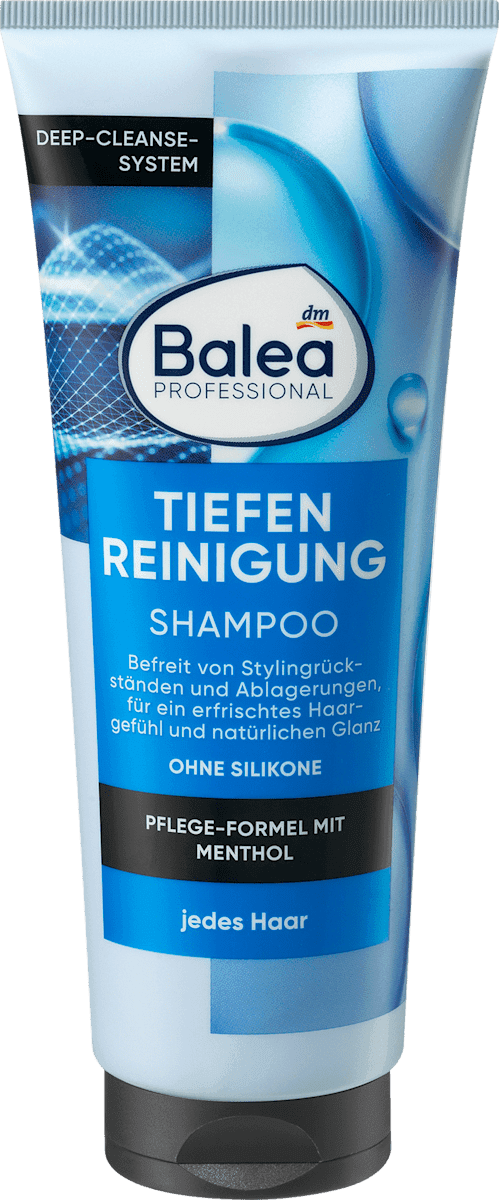
A clarifying or deep-cleansing shampoo removes residue from styling products, oils and minerals that a mild everyday shampoo leaves behind. Used once a week or every two weeks, it gives hair a fresh start; used every day, it can leave lengths dry, so keep your regular shampoo for the other washes.
On the ingredient list, chelating agents are the substances that bind calcium and magnesium. Look for names such as disodium EDTA, tetrasodium EDTA, sodium phytate or citric acid. Not every clarifying shampoo contains them, and a product can work well without them, so see the ingredient list as a hint rather than a verdict.
Other small habits help too: use a little more water to rinse, massage the shampoo into the scalp rather than the lengths, and rinse thoroughly. Our shampoo shelf has deep-cleansing shampoos from Balea PROFESSIONAL and ISANA PROFESSIONAL next to mild everyday shampoos from sebamed, alverde and others.



Conditioner, masks and oils for smoother lengths
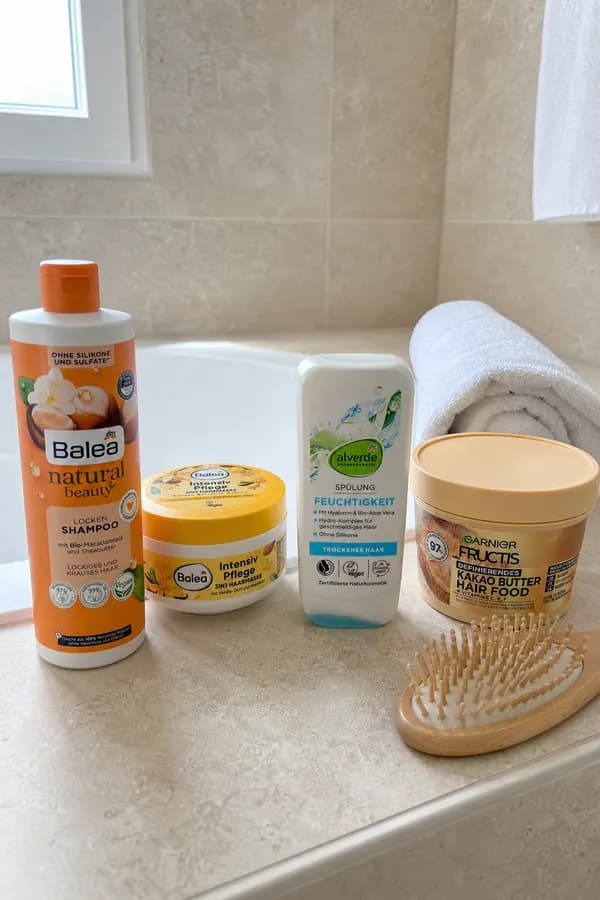
After washing, conditioner does most of the work. It smooths the hair surface so that it feels softer and combs more easily, which is exactly what hair misses after a hard-water wash. Apply it to the lengths and ends, leave it on for a minute or two and rinse with lukewarm water.
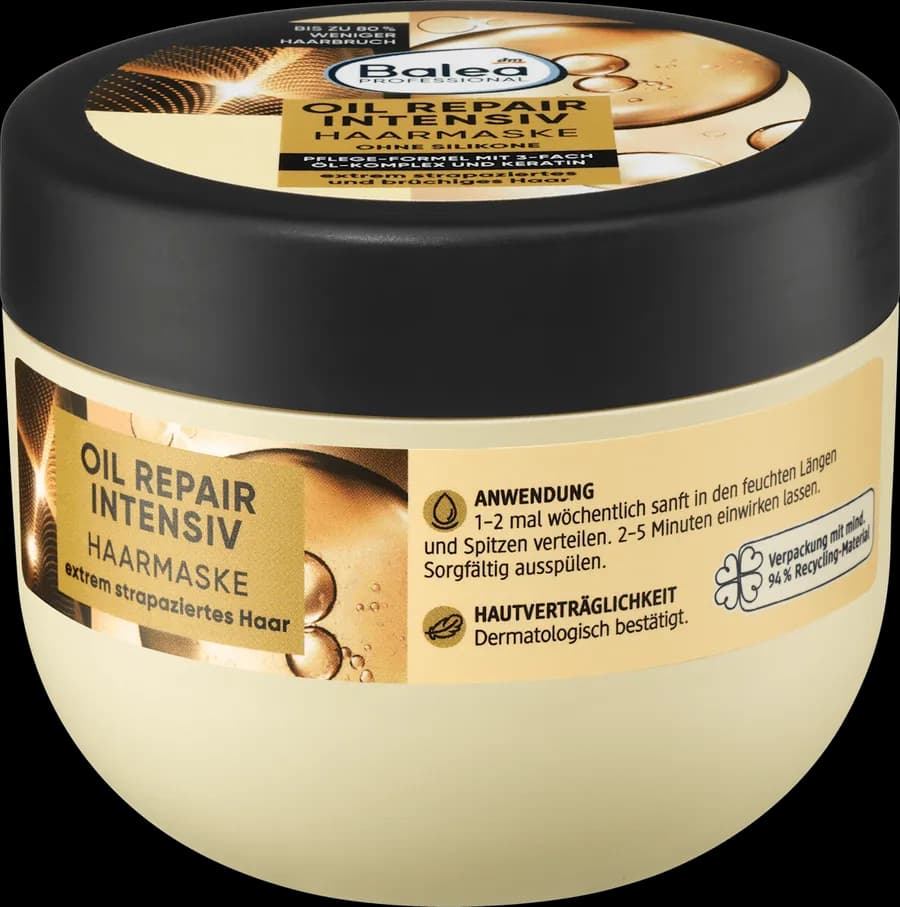
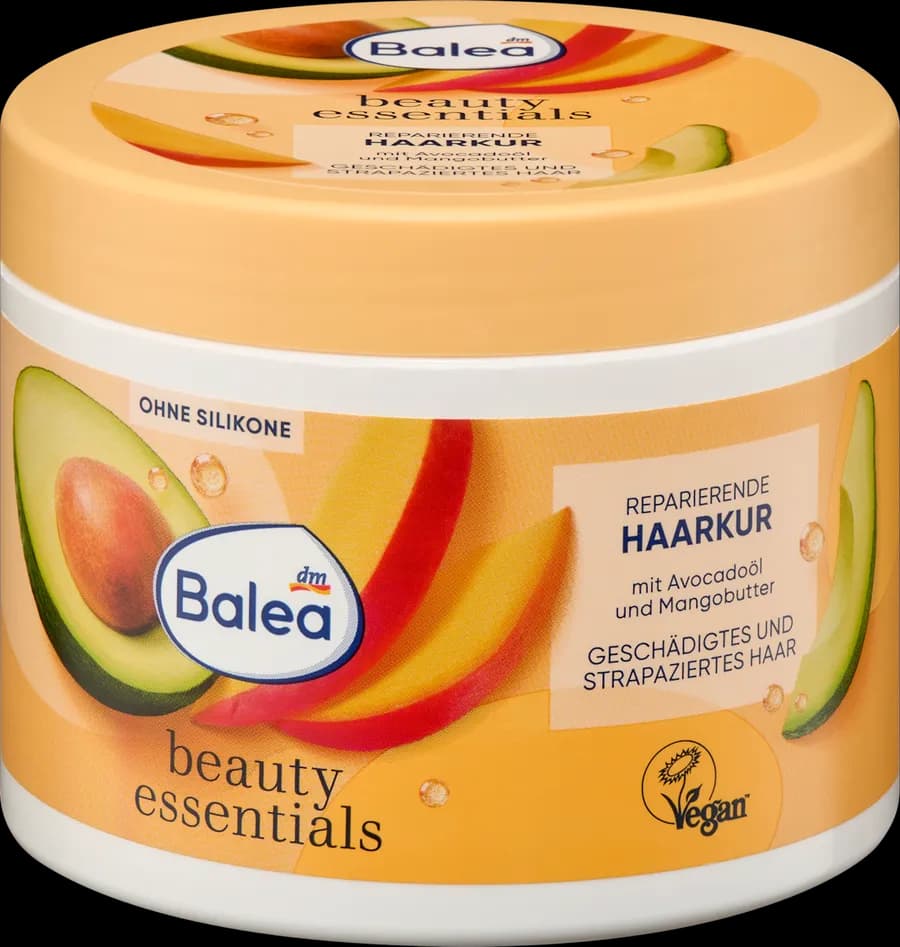
Once a week, a hair mask or a leave-in treatment adds extra care, especially for long, curly, bleached or coloured hair and after days at the sea. A few drops of hair oil on the dry ends keep them from looking straw-like in the dry summer wind.
A traditional tip is a final rinse with diluted vinegar or lemon juice, which some people like for extra shine; keep it away from your eyes and use it sparingly. Our conditioner and treatment shelf holds conditioners, masks, leave-ins and hair oils from European brands.
In Malta · Order by 14:00; Malta and Gozo usually next working day.




Skin in the shower: wash gently
Many newcomers say their skin feels tighter after showering in Malta. Some of that is the water, some is the climate: sun, salt water, air conditioning and several showers on a hot day all add up. The approach is the same in every case: wash gently and replace moisture afterwards.
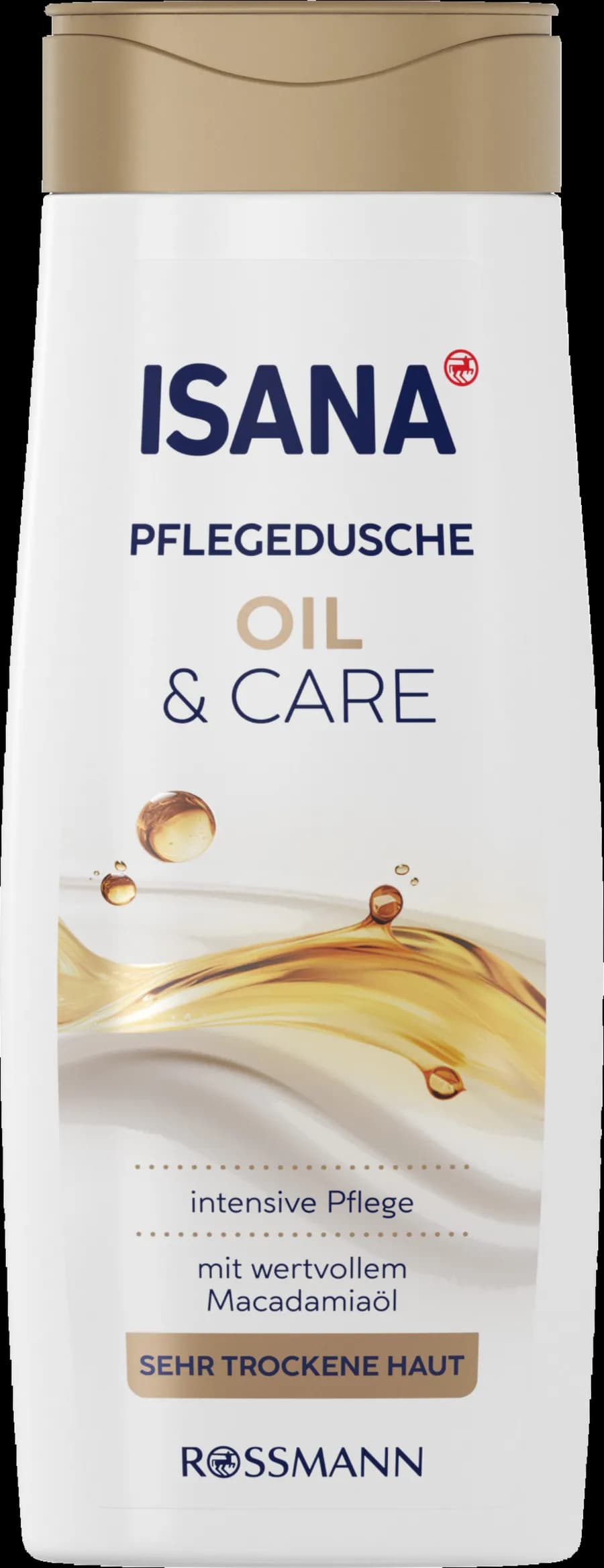
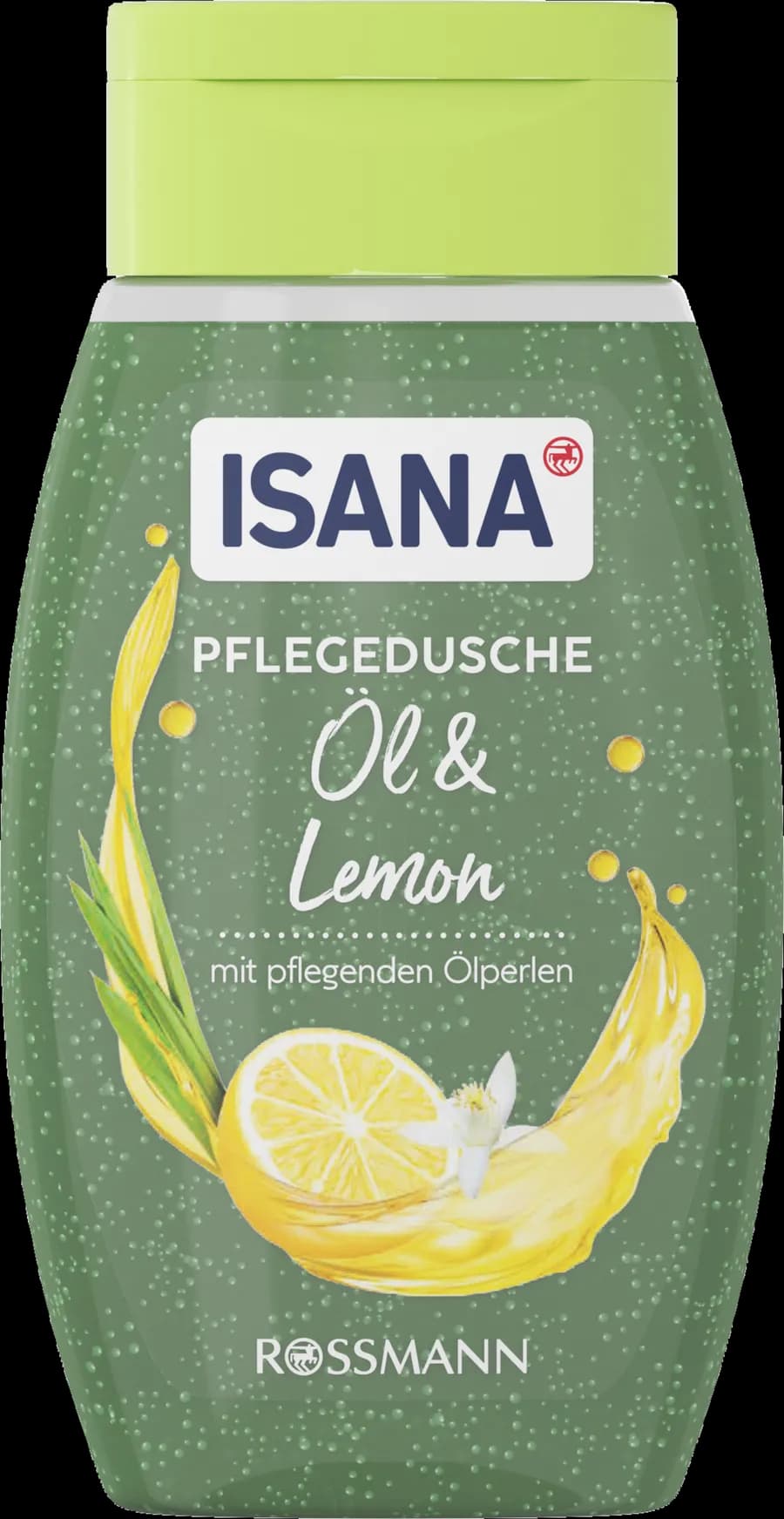
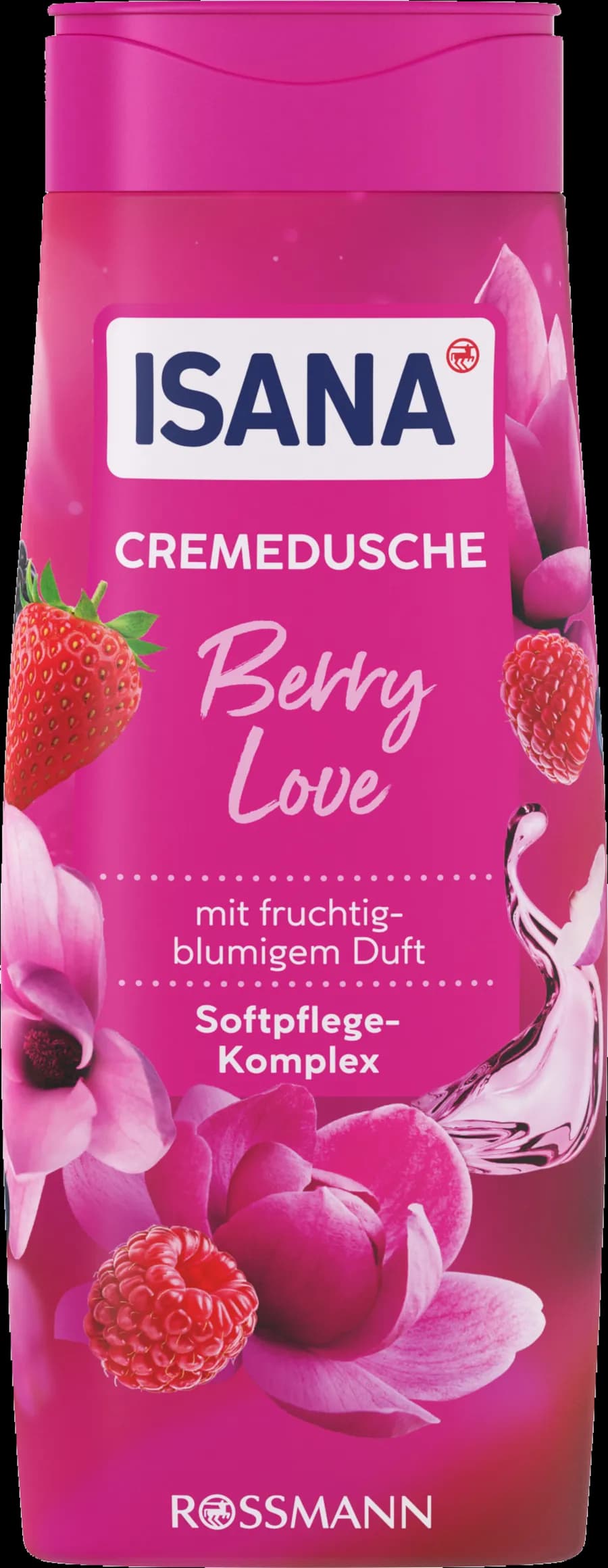
Lukewarm water is kinder to the skin than hot water, and shorter showers help as well. Shower oils, cream showers and products for sensitive skin clean without the squeaky-clean feeling. Rinse well so that no mixture of soap and minerals stays on the skin, and pat dry instead of rubbing.
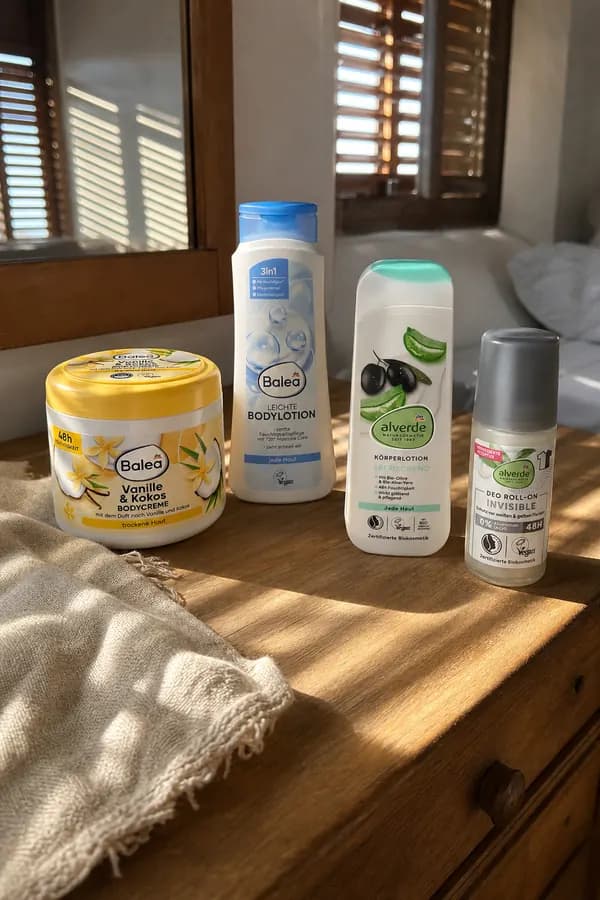
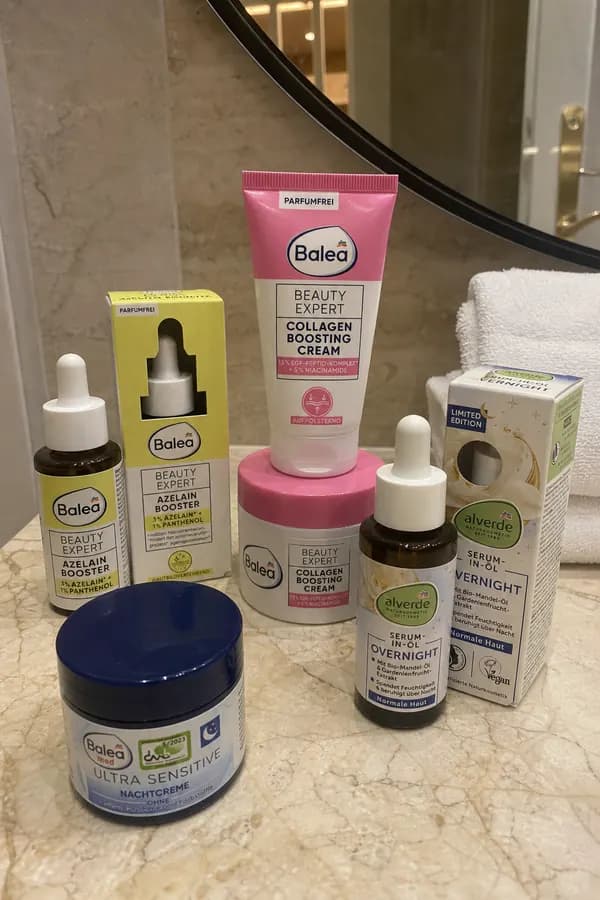
If you have eczema or another skin condition, ask your doctor or pharmacist which products suit you. For everyday skin, our shower gel shelf offers shower oils and mild washes from ISANA, sebamed, Balea and others.





Moisturising after the shower
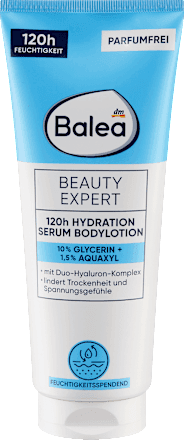
The best moment for body lotion is right after the shower, while the skin is still slightly damp. A light lotion is enough on humid summer days; when the air is dry or the skin feels tight, a richer cream or a lotion with urea or glycerin is more comfortable.
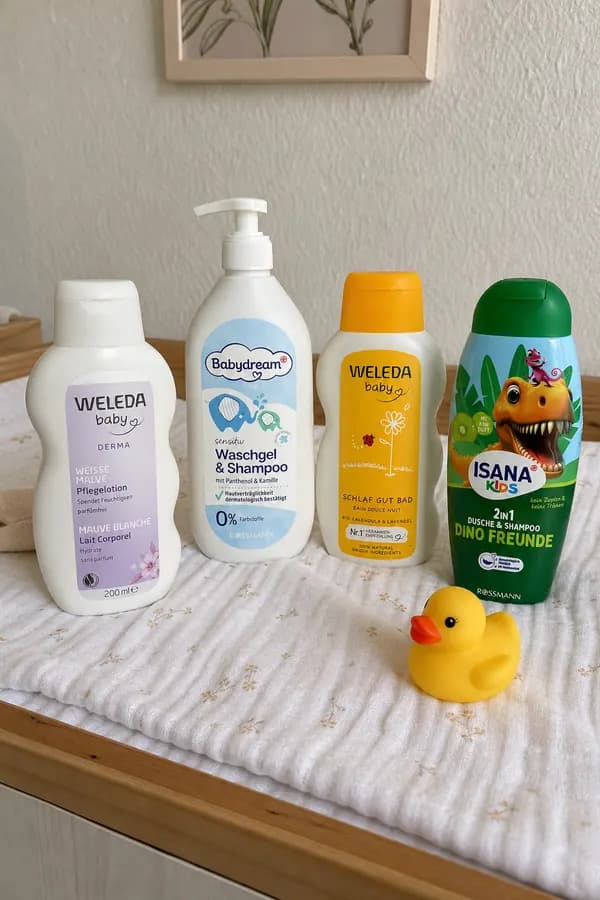
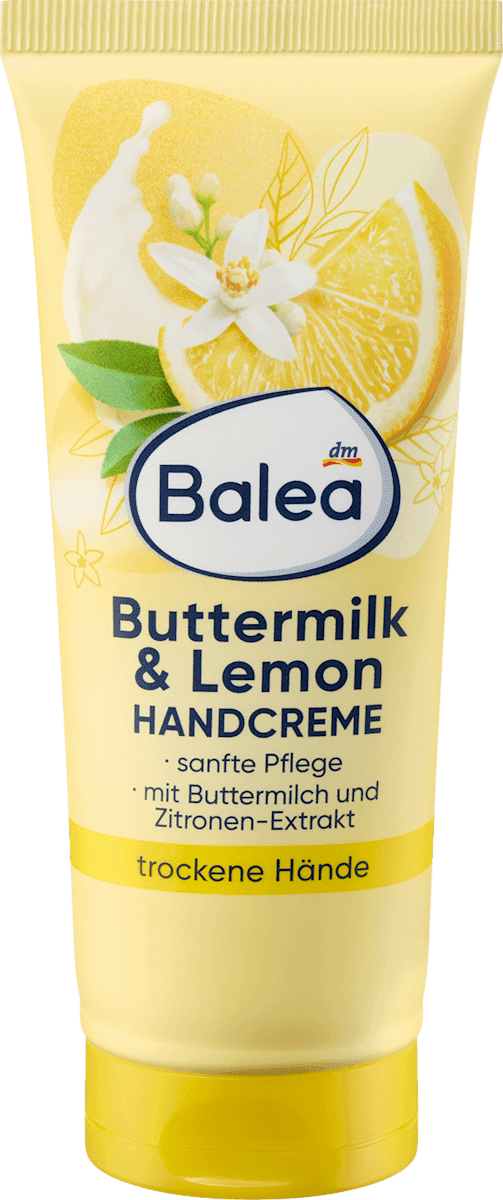
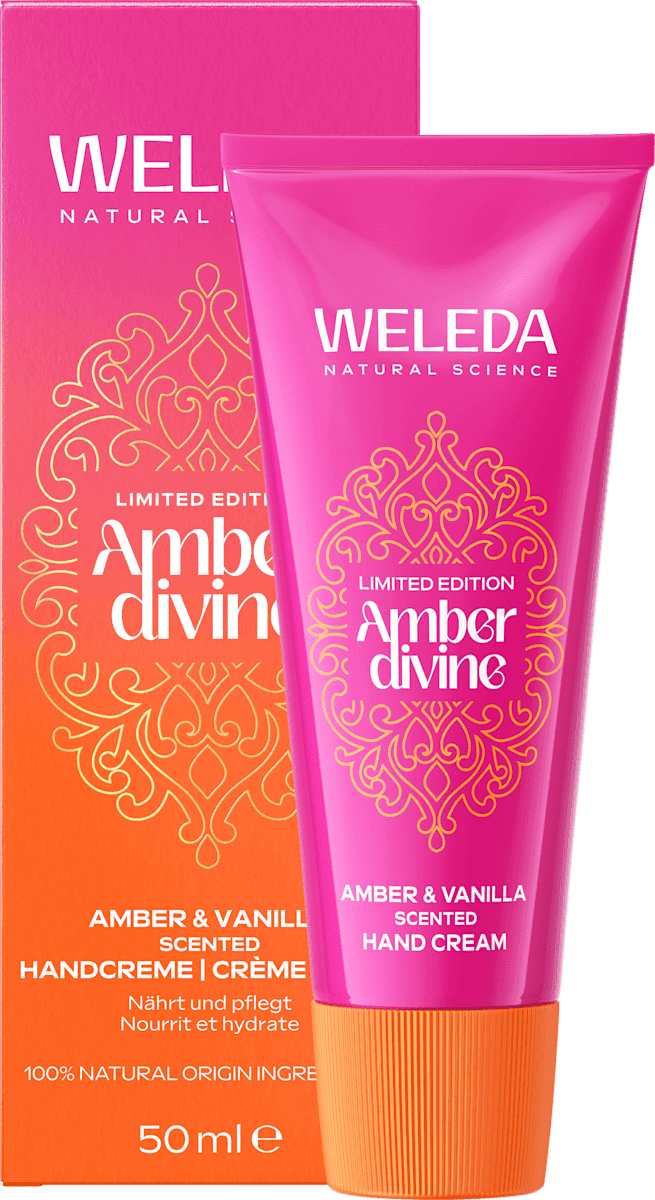
Hands get the most water of all: washing up, cooking, cleaning and frequent hand washing. A hand cream by the sink and one in your bag make a noticeable difference, and gloves for the dishes protect your hands from both water and detergent.
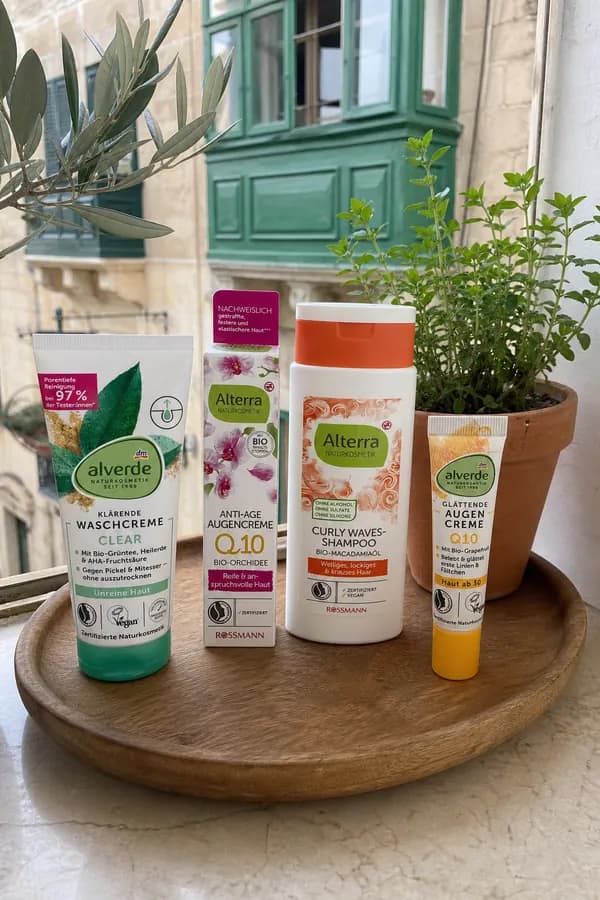
Our body lotion shelf and hand cream shelf hold lotions, creams and hand creams in light and rich textures, from classic drugstore brands to natural cosmetics.
In Malta · Order by 14:00; Malta and Gozo usually next working day.




Face cleansing: micellar water and cleansing oils
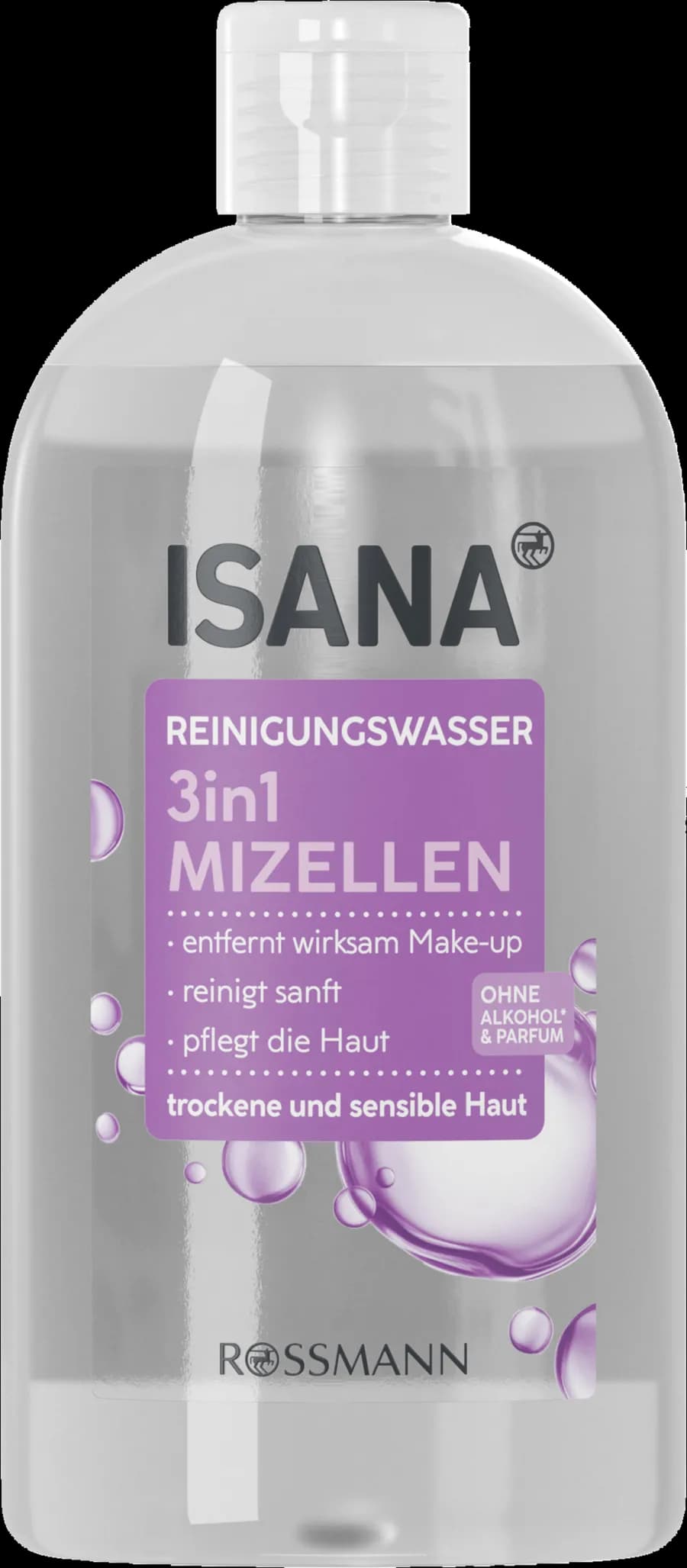
Your face is washed at least twice a day, so the water matters here too. Micellar water is one easy option: you apply it with a cotton pad and do not need to rinse, so less tap water touches the face. Many people still follow with a splash of water or a toner.
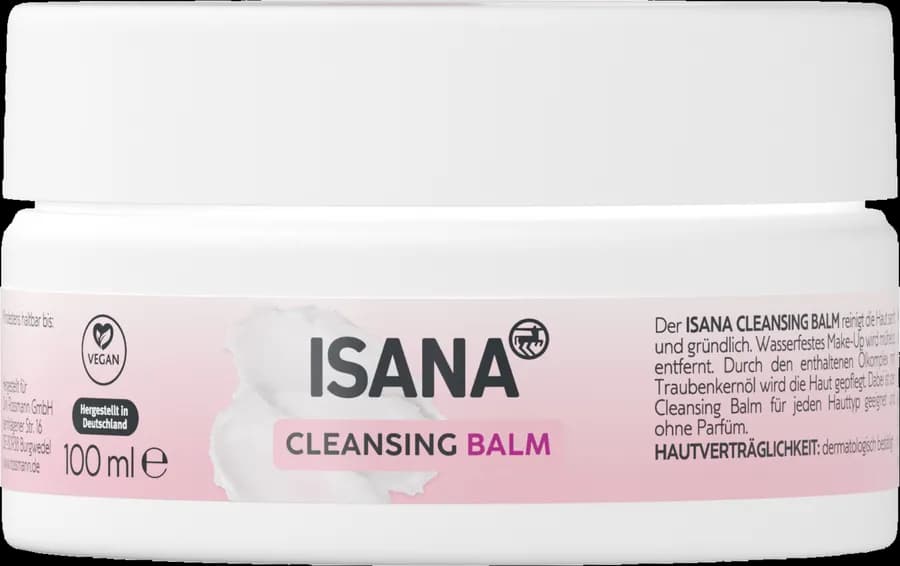
Cleansing oils and balms dissolve make-up and sunscreen and are then emulsified with a little water and rinsed off. They leave the skin feeling soft rather than stripped, which many people with hard tap water appreciate. Finish with your usual moisturiser.
In our cleansing shelf you find micellar waters from Garnier, Neutrogena, lavera and La Roche-Posay as well as cleansing oils and balms. For a deeper look at oil cleansing, see our guide to Korean skincare.




Around the home: shower heads, kettles and filters
Limescale builds up wherever water evaporates or is heated. The WSC suggests setting water heaters to about 50 °C to reduce build-up, removing limescale with household acids such as vinegar or lemon juice and cleaning appliances regularly. A shower head soaked in diluted vinegar overnight usually runs freely again.
Shower filters and water softeners are widely advertised. We do not sell them, and what they remove depends on the product, so if you consider one, check what it has been tested for and follow the manufacturer’s maintenance instructions.
For most households, a sensible care routine is enough: a clarifying shampoo now and then, a good conditioner, gentle washing and moisture afterwards. If your skin or scalp is still unhappy, a pharmacist can help you find out whether the water is really the cause.
This guide offers general information on cosmetic care and does not replace advice from a doctor, pharmacist or the Water Services Corporation. BetterLife is an independent retailer; brand names belong to their respective owners.
Frequently asked questions
Is the tap water in Malta hard?
In many areas, yes. In the WSC’s 2025 audit samples most zones measured between about 130 and 180 mg/l of calcium carbonate, which counts as hard. Some zones are softer and others harder, depending on the mix of desalinated and groundwater.
Is limescale in the water harmful?
The Water Services Corporation says limescale is a natural occurrence and not a health hazard, and that its tap water complies with the EU Drinking Water Directive. For questions about drinking water, contact the WSC directly.
Why does my hair feel different in Malta?
Minerals from hard water can settle on the hair surface and react with shampoo, so hair may feel rougher or look duller. Sun, salt water and dry wind add to it. A clarifying shampoo now and then and a good conditioner usually help.
How often should I use a clarifying shampoo?
For most people once a week or every two weeks is enough. Between those washes, use a mild everyday shampoo and always follow with conditioner on the lengths.
What is the difference between clarifying and chelating shampoo?
Clarifying shampoos remove residue such as styling products and oils. Chelating shampoos also contain agents that bind minerals like calcium, for example disodium EDTA or sodium phytate. Check the ingredient list if this matters to you.
Does hard water dry out the skin?
Many people feel their skin is tighter after washing with hard water, partly because soap residue stays on the skin. Gentle washing, lukewarm water and moisturising afterwards help. For eczema or other conditions, ask a doctor or pharmacist.
Should I install a shower filter?
That is a personal decision. We do not sell filters; what they remove depends on the model, so check the test results and maintenance instructions. A suitable care routine is enough for many people.
How do I remove limescale from the shower head?
Soak it in diluted vinegar or lemon juice, then rinse. The WSC also recommends setting water heaters to about 50 °C and cleaning appliances regularly.
How does delivery from BetterLife work?
You order online and MaltaPost delivers for €5.90 below €35, €2.90 from €35 to Malta and Gozo, or free from €49. Products marked “In Malta” are in stock here and usually arrive on the next working day; products marked “Pre-order” take about two weeks.